

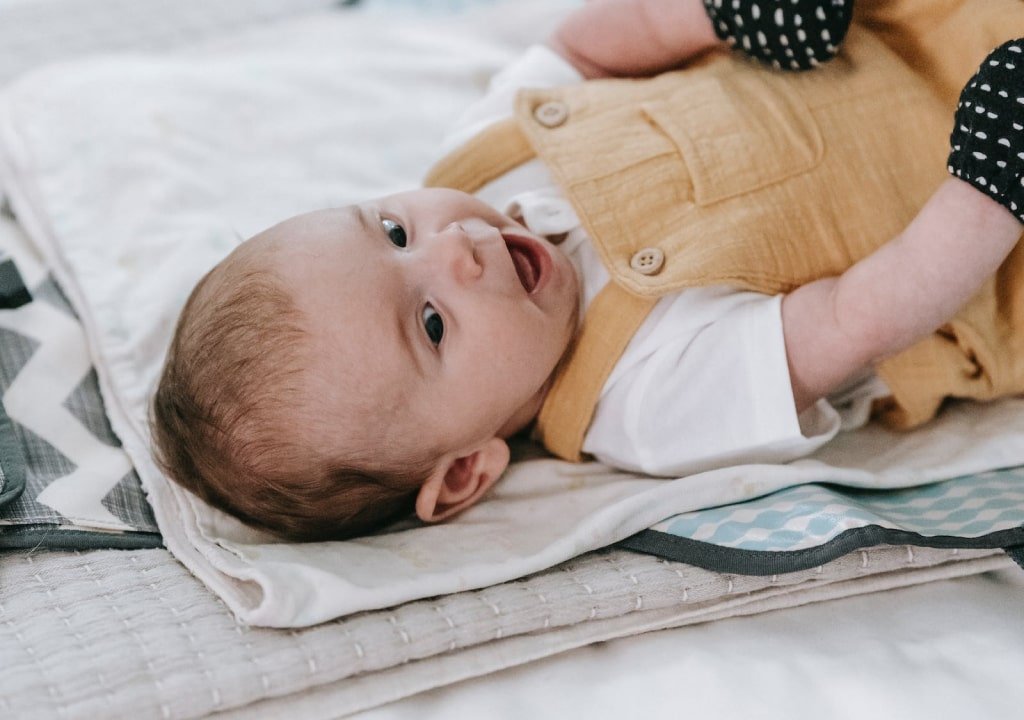
Choosing baby clothes sounds easy until you’re standing in front of dozens of tiny outfits wondering which one will actually keep your baby comfortable, safe, and happy. A baby growsuit and onesie are among the most important items in every infant’s wardrobe. They are worn almost daily, making them essential purchases for new and experienced parents alike.
Recent baby clothing guides emphasize that parents should focus on three key factors when choosing baby clothing: comfort, sizing, and safety. Experts also recommend selecting breathable fabrics such as cotton and organic cotton while paying close attention to size charts because baby clothing sizes vary significantly between brands.
Before diving into the details, let’s understand exactly what makes a good growsuit or onesie and how you can make the best choice for your little one.
Difference Between a Growsuit and a Onesie
Many parents use the terms “growsuit” and “onesie” interchangeably, but they are actually different garments. Understanding this distinction helps you build a practical baby wardrobe that works for every situation.
What Is a Onesie?
A onesie, also called a bodysuit, is a one-piece garment that covers the baby’s torso and fastens between the legs using snaps. Onesies are ideal for everyday wear because they stay securely in place even when babies kick, wiggle, or roll around. They are commonly available in short-sleeve and long-sleeve versions and work perfectly as standalone outfits during warm weather or as layering pieces during colder seasons. Parents love them because diaper changes are quick and easy, especially when a baby requires frequent changing throughout the day.
What Is a Growsuit?
A growsuit usually covers the entire body, including the legs and sometimes the feet. It is often called a sleepsuit or footed romper in some countries. Growsuits provide extra warmth and comfort, making them ideal for sleeping, cooler weather, and nighttime wear. Many modern growsuits include convenient zippers that allow parents to change diapers quickly during late-night wake-ups. Experts often recommend keeping a combination of both growsuits and onesies in your baby’s wardrobe because each serves a unique purpose.
Why Choosing the Right Baby Clothing Matters
Baby clothing is much more than a fashion statement. The clothes your baby wears directly affect their comfort, sleep quality, mobility, and even skin health.
Comfort and Skin Protection
A newborn’s skin is incredibly delicate. Research and industry experts note that baby skin is thinner and more sensitive than adult skin, meaning rough fabrics, irritating seams, and poor-quality materials can easily cause discomfort or rashes. Soft fabrics such as cotton and bamboo help maintain comfort while allowing proper airflow around the skin. Breathability becomes especially important during warmer months because overheating can make babies restless and uncomfortable.
Supporting Healthy Movement
Babies spend their early months learning important physical skills. First they kick, then roll, crawl, and eventually walk. Tight clothing can restrict movement and make these developmental milestones more challenging. Well-designed growsuits and onesies provide enough stretch and flexibility to support natural movement without becoming baggy or uncomfortable. Think of baby clothes as a baby’s first gym outfit—they should allow freedom of movement rather than act like a restrictive uniform.
Choosing the Best Fabric
Fabric selection is one of the most important aspects of choosing a baby growsuit or onesie. The right fabric keeps your baby comfortable throughout the day while minimizing skin irritation.
Cotton
Cotton remains the gold standard for baby clothing. It is soft, breathable, durable, and easy to wash. Cotton helps regulate body temperature and absorbs moisture effectively, making it suitable for everyday use. Most pediatric experts and baby clothing manufacturers recommend cotton because it strikes an ideal balance between comfort and practicality.
Organic Cotton
Organic cotton takes things a step further. It is produced without many of the chemicals used in conventional farming and processing. For babies with sensitive skin, eczema, or allergies, organic cotton can be an excellent choice. Many parents appreciate the added peace of mind that comes from knowing fewer chemicals were involved in the production process.
Bamboo Fabrics
Bamboo-based fabrics have become increasingly popular in recent years. They are known for being exceptionally soft and moisture-wicking. Bamboo growsuits and onesies often feel luxurious against a baby’s skin and can be particularly useful in warm climates because of their cooling properties. The downside is that bamboo clothing is often more expensive than cotton alternatives.
Fabrics to Avoid
Synthetic materials such as polyester and nylon may be durable, but they can trap heat and reduce breathability. While some blended fabrics perform well, parents should avoid clothing that feels rough, stiff, or excessively heavy. Comfort should always come before appearance when shopping for baby clothing.
Selecting the Correct Size
Sizing is one of the most confusing aspects of shopping for baby clothes. Many new parents discover quickly that a “3-month” outfit from one brand may fit completely differently from another.
Understanding Baby Size Labels
Most baby clothes use age-based labels such as:
| Size Label | Typical Age Range |
|---|---|
| Newborn | Birth to 1 month |
| 0-3 Months | Birth to 3 months |
| 3-6 Months | 3 to 6 months |
| 6-9 Months | 6 to 9 months |
| 9-12 Months | 9 to 12 months |
These labels are guidelines rather than guarantees. Babies grow at different rates, so weight and height measurements are often more reliable than age alone.
Why Brand Sizes Differ
One of the biggest frustrations parents face is inconsistent sizing. Industry experts and parent communities consistently report major differences between brands. Some brands run small, while others run large. This means you should always check a brand’s size chart rather than relying solely on the age label.
When to Size Up
Many experts recommend sizing up when your baby is between sizes. Babies grow rapidly, and a slightly larger outfit usually provides longer wear. Signs that clothing is too small include tight snaps, stretched fabric around the crotch, restricted movement, or difficulty zipping the garment.
Seasonal Considerations
The weather plays a huge role in determining which growsuits and onesies are most suitable.
Summer Onesies
During warm weather, lightweight short-sleeve cotton onesies are ideal. Breathable fabrics help prevent overheating while still providing adequate coverage. Light colors can also help reflect heat and keep babies more comfortable outdoors.
Winter Growsuits
Cold weather calls for additional warmth. Long-sleeve growsuits with footed designs help keep tiny feet warm and reduce the need for extra socks. Layering becomes easier when you have a collection of comfortable onesies to wear underneath heavier garments. Choosing season-appropriate clothing helps maintain a stable body temperature and promotes better sleep.
Features That Make Life Easier
Certain design features may seem minor until you’re changing a diaper at 3 a.m. Then they suddenly become incredibly important.
Zippers vs Snaps
Both options have advantages.
| Feature | Zippers | Snaps |
|---|---|---|
| Speed | Faster | Slower |
| Night Changes | Excellent | Good |
| Repairability | Harder | Easier |
| Adjustment | Limited | Flexible |
Many parents prefer zippers because they significantly reduce changing time during nighttime diaper changes. Snaps, however, offer more flexibility and may allow partial opening during diaper changes.
Envelope Necklines
Envelope necklines are a brilliant invention. They stretch wide enough to allow a onesie to be pulled down over the baby’s body rather than over their head during messy diaper accidents. This simple feature can save parents from a surprising amount of stress.
Fold-Over Mittens and Footed Designs
Some growsuits include built-in mittens and foot covers. These features help prevent scratching and keep babies warm without requiring separate accessories that can easily get lost.
Essential Safety Features
Safety should never be overlooked when purchasing baby clothing.
Safe Closures
Look for strong snaps, secure zippers, and reinforced stitching. Weak closures can fail after repeated washing and may create safety risks. High-quality construction ensures durability while reducing the chance of small parts becoming detached.
Avoiding Choking Hazards
Experts recommend avoiding decorative buttons, bows, ribbons, beads, and other detachable embellishments. While these details may look adorable, they can present choking hazards for young children. Simplicity is often the safest choice when selecting infant clothing.
How Many Onesies and Growsuits Do You Need?
New parents often wonder how many outfits are enough. While every family’s needs differ, many baby clothing experts recommend:
- 10–14 onesies for newborns
- 4–6 sleepsuits or growsuits
- Several backup outfits for unexpected messes
Babies can go through multiple outfit changes each day due to feeding spills, diaper leaks, and other surprises. Having enough clothing reduces laundry pressure and ensures you’re always prepared.
Common Mistakes Parents Make
One of the most common mistakes is buying too many newborn-sized clothes. Babies grow quickly, and some skip newborn sizes altogether. Another mistake is prioritizing style over comfort. Cute outfits may look great in photos, but if they are difficult to put on, uncomfortable, or made from poor-quality materials, they quickly become frustrating. Parents also frequently overlook size charts, assuming that all brands fit similarly. Real-world experiences consistently show that baby clothing sizes vary significantly between manufacturers.
A smarter approach is to focus on comfort, practicality, and quality. Buy a small number of outfits initially, learn what works for your baby’s body shape, and then expand your wardrobe accordingly. This strategy saves money while ensuring your baby remains comfortable and well-dressed.
Choosing the perfect baby growsuit or onesie isn’t about finding the cutest design on the shelf. It’s about selecting clothing that keeps your baby comfortable, safe, and free to move naturally. Soft fabrics like cotton and organic cotton, practical features such as zippers and envelope necklines, and proper sizing all contribute to a positive experience for both parent and child.
Remember that babies grow quickly, sizing varies between brands, and comfort should always come first. By focusing on quality materials, safe construction, and practical features, you’ll build a wardrobe that supports your baby’s development while making everyday parenting a little easier. A well-chosen growsuit or onesie may seem like a small purchase, but it can make a surprisingly big difference in your baby’s daily comfort and happiness.