

Choosing the right health insurance for your newborn is one of the most important financial and healthcare decisions you will make as a parent. A baby’s first year includes frequent pediatric visits, vaccinations, emergency care possibilities, and sometimes unexpected hospital stays. Without proper coverage, medical bills can quickly become overwhelming.
Recent healthcare industry rankings place companies such as Kaiser Permanente, Humana, Aetna, Cigna, and UnitedHealthcare among the leading health insurers for 2026 due to customer satisfaction, affordability, network quality, and pediatric coverage options.
Before diving into the best providers, it’s important to understand what newborn health insurance actually covers and what parents should prioritize when comparing plans.
Why Newborn Health Insurance Matters
The arrival of a newborn brings excitement, joy, and a long list of responsibilities. Among those responsibilities, securing comprehensive health insurance often sits near the top. Babies require more medical attention during their first year than at almost any other point in childhood. Routine wellness visits, developmental screenings, immunizations, and occasional illnesses can result in numerous healthcare appointments.
Many parents assume their baby will automatically remain covered under the mother’s policy indefinitely after birth. Unfortunately, insurance rules are often more complicated. Missing enrollment deadlines can leave families facing significant medical expenses. Federal regulations generally provide special enrollment periods following childbirth, but parents must still complete the necessary paperwork within the required timeframe.
Health insurance isn’t simply about preparing for emergencies. It also ensures consistent preventive care that helps detect developmental concerns early and supports healthy growth. Think of insurance as a safety net that protects both your child’s health and your family’s finances.
Buy Affordable baby Products


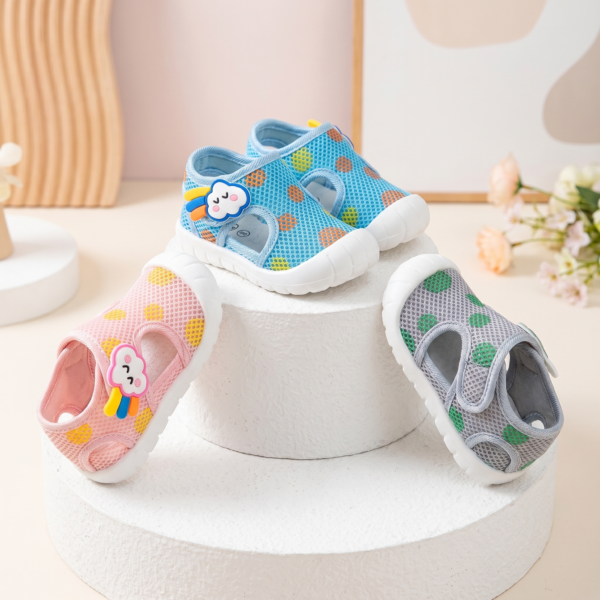
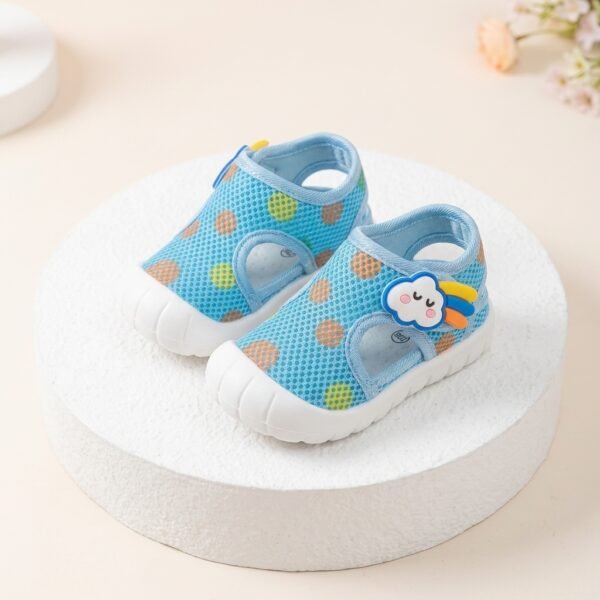
CloudWalk™ Summer Baby Shoes
₦12,500.00

Kids Toilet Ladder Seat
₦15,000.00The Rising Cost of Infant Healthcare
Healthcare costs continue to increase globally, and infant care is no exception. A single emergency room visit can cost hundreds or even thousands of dollars. Hospital admissions, specialized treatments, and neonatal intensive care can create even larger expenses.
Premature births and unexpected complications often require NICU care, which can generate substantial medical bills within days. Industry experts frequently recommend selecting plans that provide strong hospitalization and newborn care benefits rather than focusing solely on low monthly premiums.
Common Medical Needs During the First Year
During the first twelve months, newborns typically receive numerous wellness checkups and recommended vaccinations. Pediatricians monitor growth, feeding patterns, hearing, vision development, and overall health. Minor illnesses such as ear infections, respiratory infections, and digestive issues are also common.
Comprehensive insurance ensures these routine healthcare needs remain affordable while providing protection against larger, unexpected medical events.
What Health Insurance Covers for Newborns
Most comprehensive health insurance plans include newborn care as part of their essential health benefits. Coverage generally extends beyond routine doctor visits and includes various preventive and emergency services. Federal healthcare requirements mandate coverage for maternity and newborn care in many plans.
Preventive Care and Wellness Visits
Preventive care is the foundation of infant healthcare. Regular wellness visits allow healthcare providers to monitor developmental milestones, identify concerns early, and provide guidance on nutrition, sleep, and safety.
These visits often include:
- Growth assessments
- Developmental screenings
- Vision checks
- Hearing evaluations
- Preventive counseling
Most insurers cover recommended preventive services with little or no additional cost when families use in-network providers.
Hospitalization and Emergency Care
Newborns occasionally require hospitalization for infections, respiratory issues, dehydration, or birth-related complications. Strong insurance plans help reduce the financial burden associated with inpatient care, specialist consultations, diagnostic testing, and emergency treatment.
Parents should pay special attention to NICU benefits if there is any possibility of premature birth or pregnancy complications.
Vaccinations and Prescription Drugs
Vaccinations play a critical role in protecting infants against serious diseases. Most insurance plans cover recommended immunizations as preventive care. Prescription drug coverage also helps manage costs when medications are required for treatment.
Key Factors to Consider When Choosing a Plan
Not all health insurance plans are created equal. While monthly premiums often attract the most attention, they represent only one part of the overall cost equation.
Monthly Premiums
Premiums are the recurring payments required to maintain coverage. Lower premiums may seem appealing, but they sometimes come with higher deductibles and larger out-of-pocket expenses.
Parents should balance affordability with the likelihood of frequent healthcare utilization during a baby’s first year.
Deductibles and Out-of-Pocket Costs
Deductibles represent the amount families must pay before insurance coverage begins contributing significantly. Out-of-pocket maximums limit annual expenses and provide valuable financial protection during costly medical situations.
Many healthcare experts recommend evaluating total annual costs rather than focusing exclusively on premiums.
Pediatric Provider Networks
A strong network provides access to trusted pediatricians, children’s hospitals, specialists, and emergency facilities. Parents should confirm that preferred healthcare providers participate in the insurer’s network.
NICU Coverage
NICU care can become extremely expensive. Plans with strong newborn hospitalization benefits and lower cost-sharing requirements can provide significant financial protection during unexpected circumstances.
Best Health Insurance Companies for Newborns
Kaiser Permanente
Kaiser Permanente consistently ranks among the highest-rated health insurers in 2026. Industry evaluations highlight its strong customer satisfaction, low complaint rates, affordable deductibles, and high-quality care delivery.
Parents often appreciate Kaiser’s integrated healthcare model, which combines insurance and healthcare services under one system. This structure simplifies appointment scheduling, medical record management, and coordination of pediatric care.
Humana
Humana ranks highly for affordability and customer service. Independent surveys indicate strong member satisfaction and excellent support experiences.
For families prioritizing budget-friendly coverage while maintaining access to quality pediatric services, Humana remains a compelling choice.
Aetna
Aetna offers extensive provider networks and comprehensive healthcare resources. Many families appreciate its broad access to pediatric specialists and hospital systems.
Aetna’s newborn coverage policies generally allow coverage from the baby’s birth date when enrollment requirements are met within designated timeframes.
Cigna
Cigna is known for flexible plan options and nationwide provider access. Parents seeking broader provider choices often find Cigna attractive, particularly in areas where network flexibility is important.
The insurer also offers various digital tools that help families manage appointments, claims, and healthcare expenses efficiently.
UnitedHealthcare
UnitedHealthcare remains one of the largest health insurance providers in the United States. Its extensive network includes many pediatricians, hospitals, and specialists.
Families who prioritize provider availability and nationwide coverage often consider UnitedHealthcare among their leading options.
Comparison Table of Top Insurers
| Insurance Company | Best For | Key Strengths |
|---|---|---|
| Kaiser Permanente | Overall Value | High customer satisfaction, integrated care |
| Humana | Affordability | Competitive pricing, excellent service |
| Aetna | Large Networks | Broad provider access |
| Cigna | Flexibility | Nationwide network options |
| UnitedHealthcare | Provider Availability | Extensive healthcare network |
How to Add a Newborn to Your Health Insurance
Many parents mistakenly assume newborns remain automatically covered without action. While temporary protections often exist, formal enrollment is typically required.
Special Enrollment Period Rules
Birth qualifies as a special enrollment event. Parents generally have 30 to 60 days, depending on plan type, to enroll their newborn and secure retroactive coverage from the date of birth. Missing this window may leave the child uninsured until the next enrollment period.
Required Documentation
Common documents include:
- Birth certificate
- Hospital discharge paperwork
- Social Security information when available
- Parent identification
Submitting documents promptly helps avoid delays in coverage activation.
Medicaid and CHIP Options for Newborns
Families with lower incomes may qualify for government-sponsored programs such as Medicaid or CHIP. These programs provide comprehensive healthcare coverage for children and often include preventive services, vaccinations, emergency care, and hospitalization.
Many states automatically extend Medicaid eligibility to newborns whose mothers were enrolled in Medicaid at the time of birth. CHIP programs similarly provide affordable coverage for children whose families exceed Medicaid income limits but still require assistance.
For eligible families, these programs can provide outstanding healthcare protection at little or no cost.
Common Mistakes Parents Make
One of the most expensive mistakes parents make is delaying newborn enrollment. Stories shared by insurance consumers frequently highlight confusion surrounding enrollment deadlines, coordination of benefits, and coverage eligibility. Missing deadlines can create major billing issues.
Other common mistakes include:
- Choosing plans based solely on premium costs
- Ignoring pediatric provider networks
- Overlooking NICU coverage details
- Failing to understand deductible structures
- Missing enrollment deadlines
Careful review of plan documents can prevent many of these problems.
Finding the best health insurance company for your newborn involves more than selecting the lowest premium. The strongest plans combine affordable costs, broad pediatric networks, preventive care coverage, emergency protection, and robust hospitalization benefits.
For many families in 2026, Kaiser Permanente stands out as the leading overall option due to its consistently high ratings and integrated healthcare model. Humana remains a strong choice for affordability, while Aetna, Cigna, and UnitedHealthcare offer excellent network flexibility and provider access.
The most important step is ensuring your newborn is enrolled promptly after birth. Quality health insurance provides peace of mind, allowing parents to focus on what truly matters—helping their child grow, thrive, and stay healthy.